The Work Behind the Name
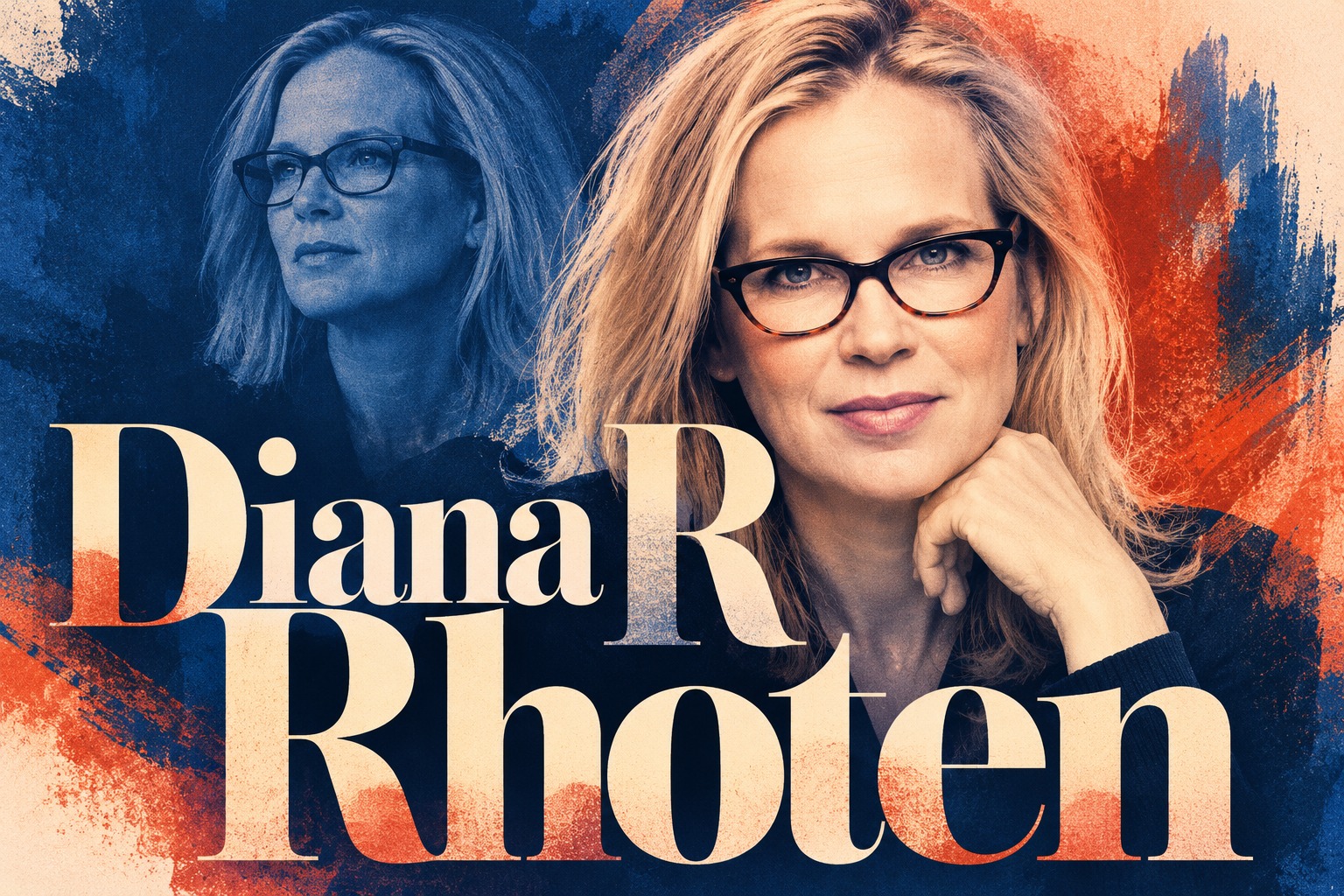
I find Diana R. Rhoten most interesting where ideas meet institutions. Her career moves through research, educational technology, organizational design, and social impact. These can sound like separate territories. In her professional life, they connect: each concerns how people learn, how organizations behave, and how a promising idea becomes something people can actually use.
Rhoten earned a doctorate at Stanford University and developed expertise in organizational psychology and interdisciplinary research. Her academic distinctions include a Fulbright scholarship and the Brown Book Award for communication. That combination matters. A researcher may understand a complicated problem, but explaining it clearly is another skill. Rhoten’s later work required both, especially when translating educational questions into products, programs, and business strategies.
Her marriage to journalist John Heilemann also brought public attention. I place that relationship alongside her work rather than making it the organizing principle of her biography. She had a substantial professional identity across more than two decades, with leadership roles that extended well beyond a spouse’s television career.
Research as a Starting Point
During her time at the Social Science Research Council, Rhoten directed work concerning knowledge institutions and digital media and learning. She examined connections between creativity, scientific disciplines, and the organizations that support research. The central issue was practical as well as intellectual: institutions influence which ideas can travel and which remain trapped within a particular department or specialty.
Her publications included work on interdisciplinary science. In 2011, she coedited Knowledge Matters The Public Mission of the Research University with Craig Calhoun. The book’s focus fits the broader questions in her career. Universities produce knowledge, but their responsibilities also reach outward to communities, public debate, and social needs.
I see this research period as the foundation beneath the more visible executive appointments. It helps explain why her later interest in technology was connected to learning environments and organizational change. The device or platform was only one part of the picture. The surrounding system mattered too.
Startl and the Move Toward Digital Learning
In 2010, Rhoten cofounded Startl, an accelerator focused on digital learning. The organization sought to help educational innovations grow, develop, and reach users. That meant working with entrepreneurs and helping move ideas toward usable products rather than leaving them at the demonstration stage.
An accelerator is a kind of launch ramp. For Rhoten, the relevant destination was education: mobile learning tools, new learning experiences, and technologies that could connect with students’ interests. Her public appearances around this period included the Web 2.0 Summit and discussions of twenty first century learning.
She also participated in the Digital Media and Learning conference community. Her conference leadership and talks in the early 2010s made her a visible voice in conversations about how learning could extend beyond traditional classroom arrangements. I am struck by the continuity between that interest and her earlier research. Both concerned the conditions that let knowledge move.
Amplify and the Importance of Design
By 2013, Rhoten was chief strategy officer at Amplify, an education company developing digital products for schools. Her work there brought the student and teacher experience into focus. A tool could have impressive technical features and still be awkward, confusing, or unpleasant to use. Educational ambition did not excuse poor design.
Her speaking engagements from that period addressed reimagining K through 12 education and encouraging student interests through informal learning. These subjects show the range of her attention. School systems mattered, but so did the curiosity young people carried outside school walls.
Rhoten later joined IDEO as an associate partner and managing director, launching its Design for Change studio. This expanded her work into social innovation, inclusion, and organizational strategy. Her later affiliation with Purpose Venture Group continued that emphasis on ventures intended to create social impact. The settings changed, yet the underlying task remained recognizable: connect an idea to a workable structure.
Marriage and the Personal Chapters She Shared
Rhoten married John Heilemann in 2006. Heilemann became widely known as a political journalist and national affairs analyst associated with NBC News and MSNBC. Their shared public life included appearances at media events and a home life in Manhattan.
Divorce proceedings began in May 2024. That is a significant dated event, though the legal filing alone does not explain the private history of the marriage.
The couple’s Great Danes were a more personal feature of the life they shared publicly. One dog, Phife Dog, lived from 2014 to 2021 and was a companion during Rhoten’s health difficulties. His death prompted reflections about affection and loyalty. These details give the family portrait its texture without requiring an invented account of children or extended relatives.
Recovery and Interests Beyond Work
In 2019, Rhoten shared her experience with cancer treatment and recovery. In March that year, she expressed gratitude to her medical team and announced that she was cancer free. The event belongs in her biography because she chose to discuss it publicly, and because it marked a demanding personal chapter alongside her professional life.
Her later posts included art, travel, and reflections on hope. A 2025 visit connected with the Metropolitan Museum of Art’s Sargent and Paris exhibition appeared among those interests. Jamaica travel and an earlier image of ginkgo leaves offered other glimpses of her life outside executive roles.
I read these as individual interests rather than a hidden business strategy. The same person who works on organizational change can also spend time looking at paintings, traveling, or remembering a beloved dog. That ordinary range makes her profile more complete.
FAQ
What is Diana R. Rhoten known for professionally?
She is known for work in social innovation, digital learning, and organizational design. Her career includes the Social Science Research Council, Startl, Amplify, IDEO, and Purpose Venture Group. She has combined academic research with entrepreneurial and executive responsibilities.
How is Diana R. Rhoten connected to John Heilemann?
Rhoten and Heilemann married in 2006, and divorce proceedings began in 2024. Heilemann’s journalism career accounts for part of the public interest in their relationship, while Rhoten’s own professional career centers on education, design, and social impact.
Does a small reported stock transaction establish her net worth?
No. A transaction involving a particular company’s shares describes that transaction, not a complete financial picture. Her executive work and board involvement are relevant career details, but they do not establish a reliable personal net worth figure.